Minimalist decoration celebrates the power of less: every object, texture and empty plane is a deliberate choice. Yet the element that most decides whether such a space feels serene or sterile is the one most often overlooked — light.
The invisible protagonist
The right lighting is minimalism's unseen hero. It holds the balance between plain forms and makes emptiness read as intention. The wrong light turns the best-composed minimal room cold and lifeless; the right light turns a plain room warm, inviting and alive.
Layer quietly
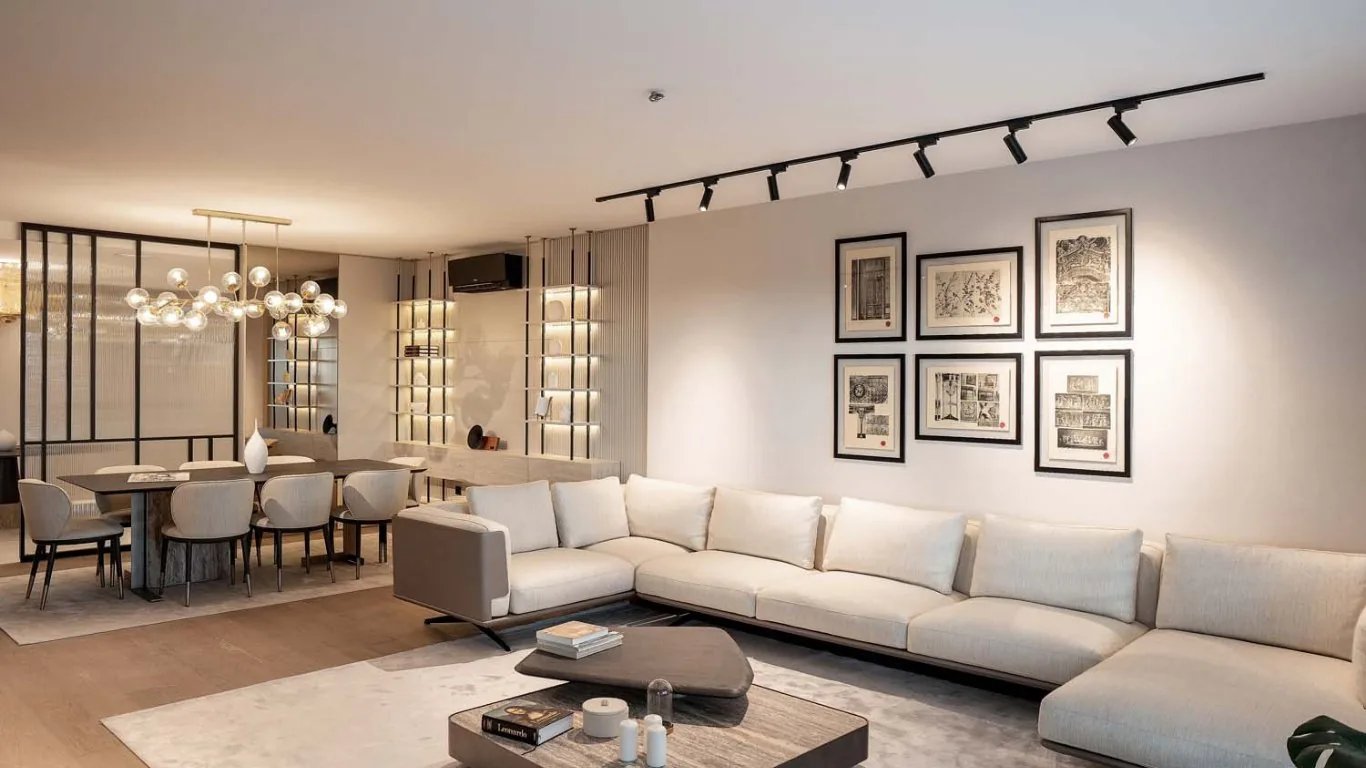
The principle is harmony without display: soft general light from the ceiling, one elegant floor lamp in a corner, and slim spots picking a single artwork off the wall. Each source tells one small story; together they give the room depth that furniture alone cannot.
Choose warmth
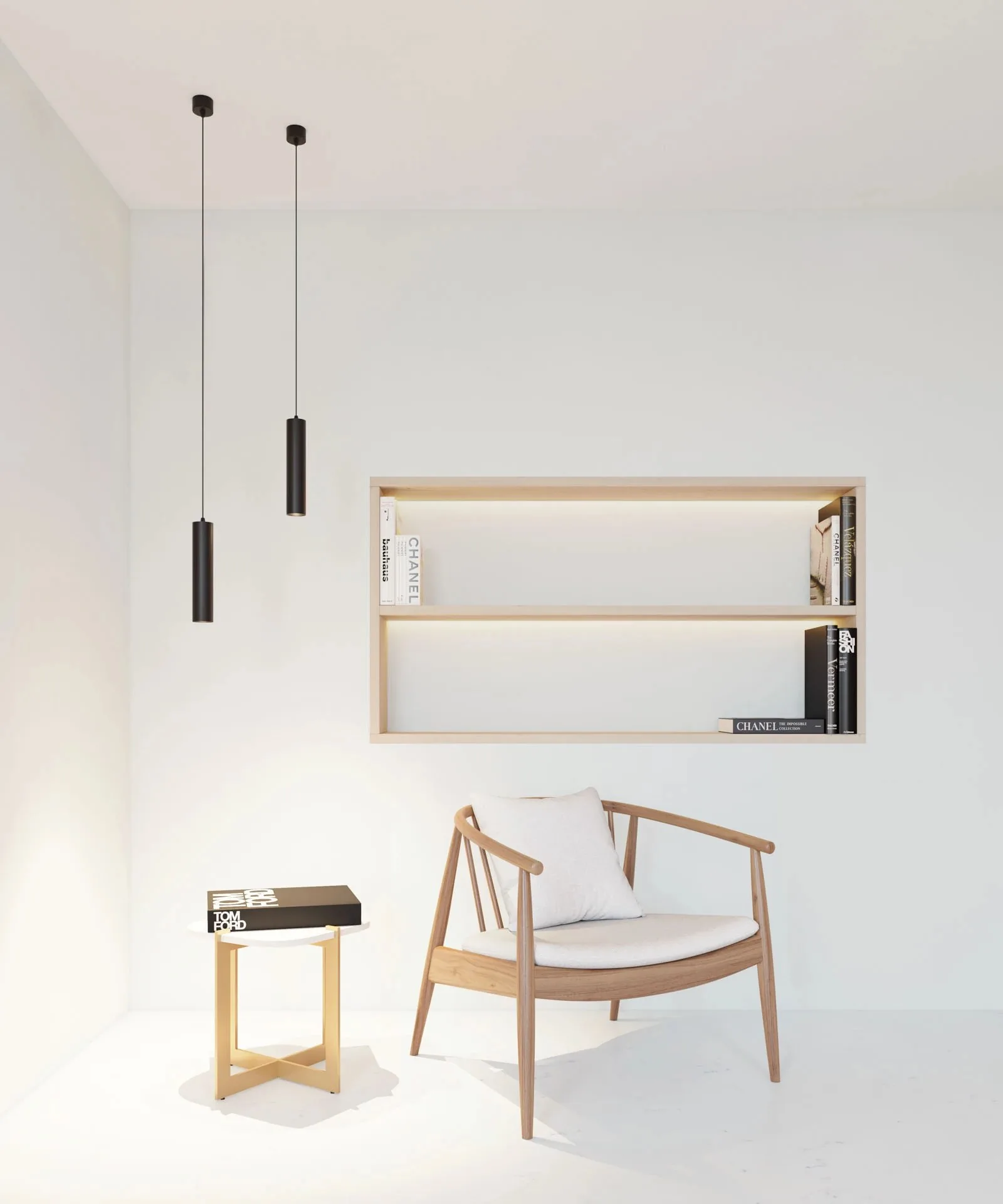
Cool white can make a minimal interior feel clinical and distant. Warm tones close to natural evening light do the opposite — they lend lived-in warmth and let simple forms step forward. In minimal rooms, 3000K is not a preference; it is structural.
Hide the source
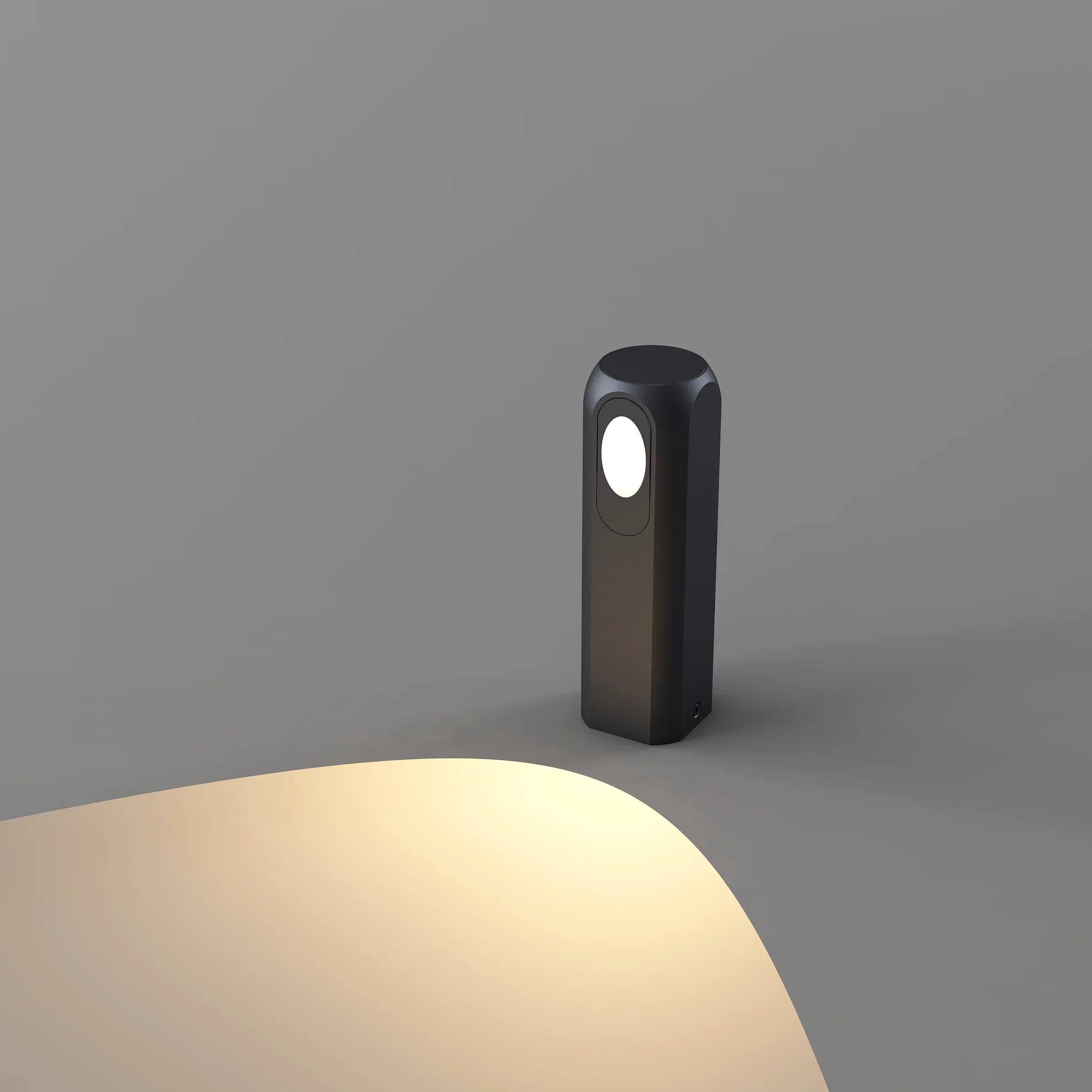
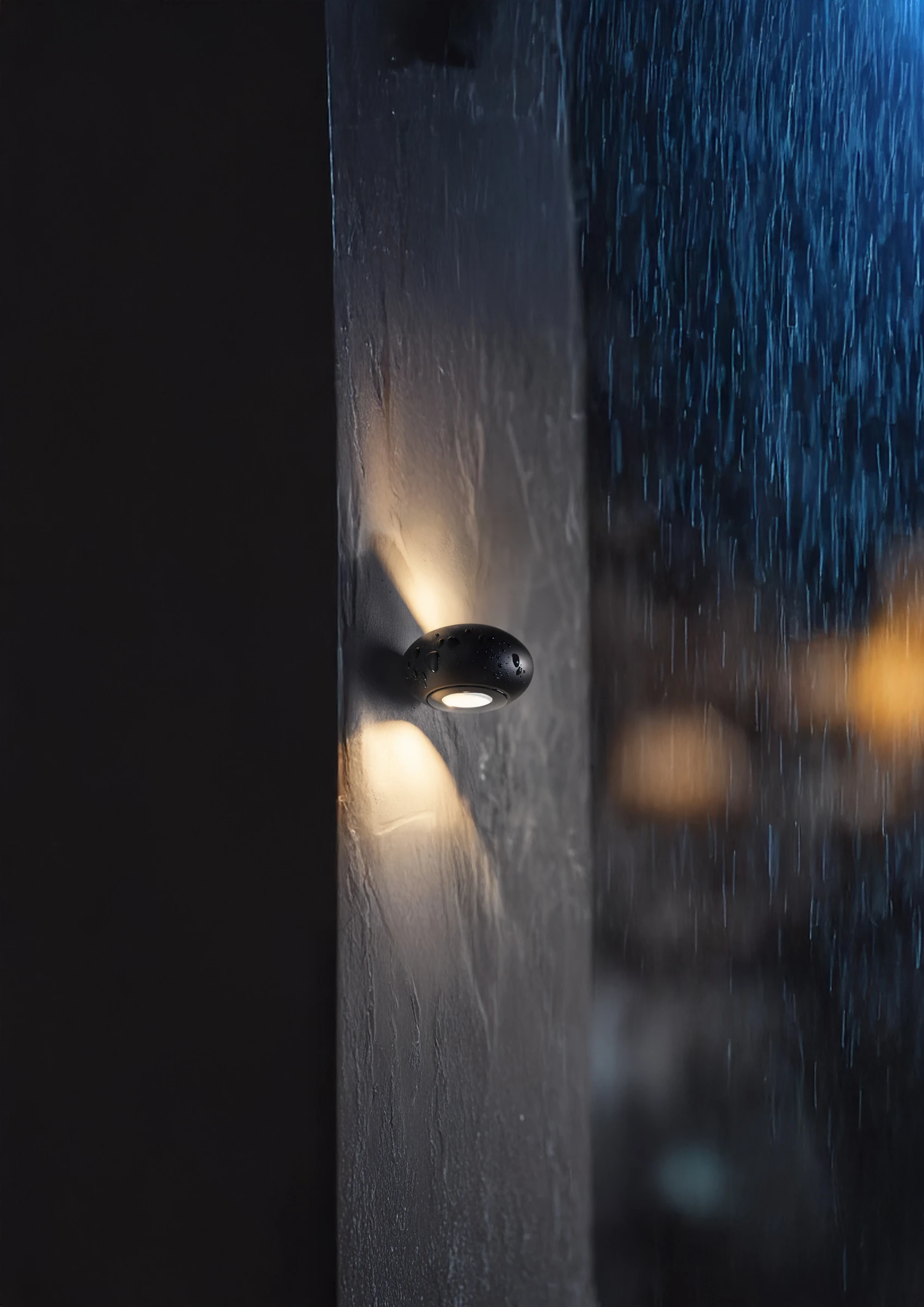
Minimalism dislikes visible hardware. Recessed trims, deep-set anti-glare spots and indirect coves keep the fixture silent and the effect loud. What the eye should meet is light on material — never the lamp itself.