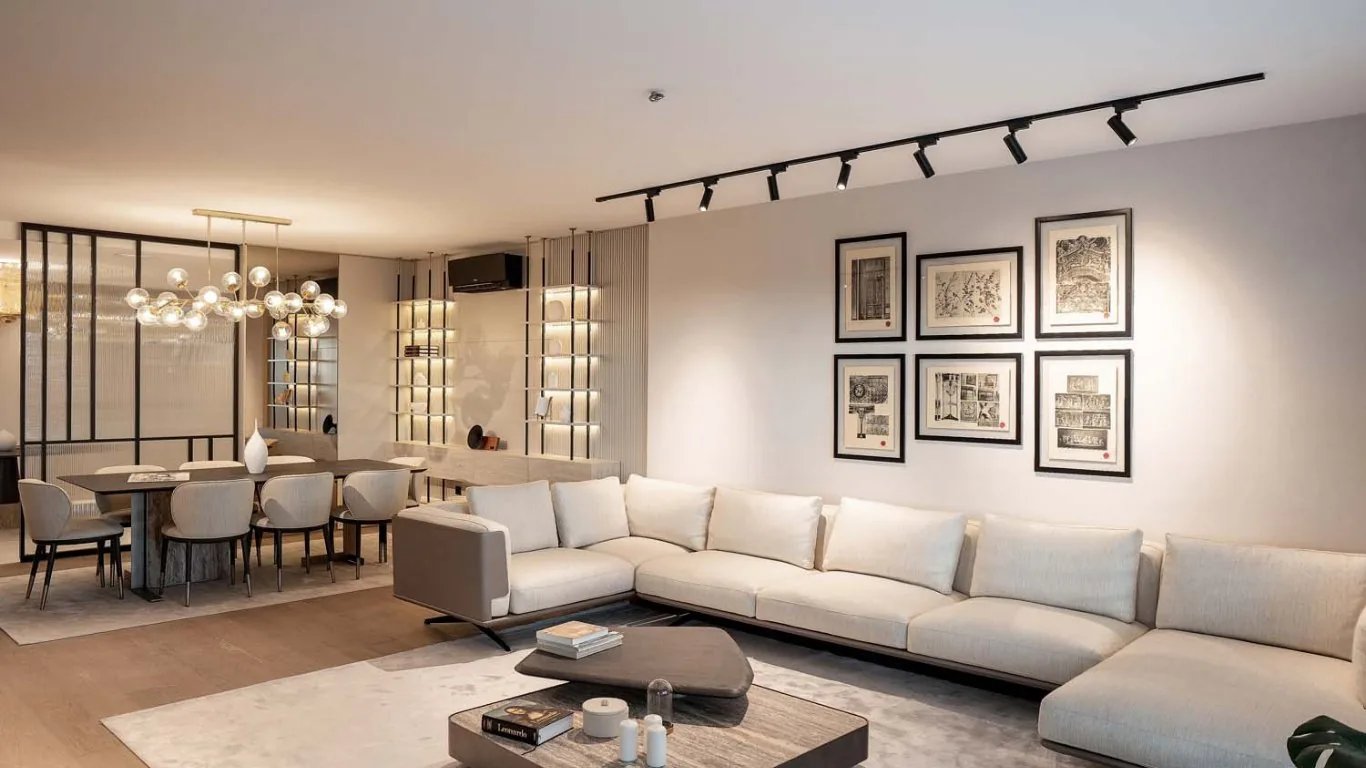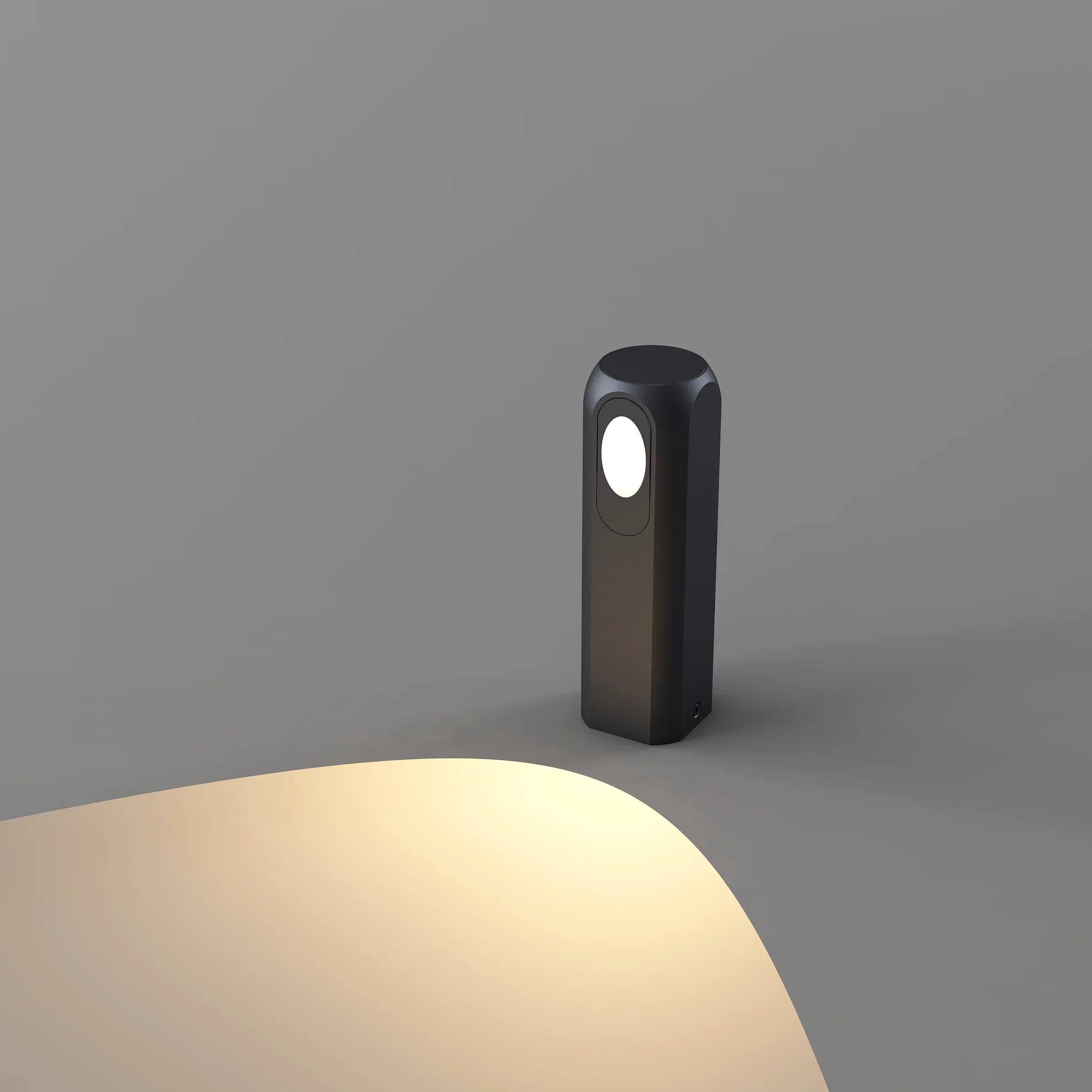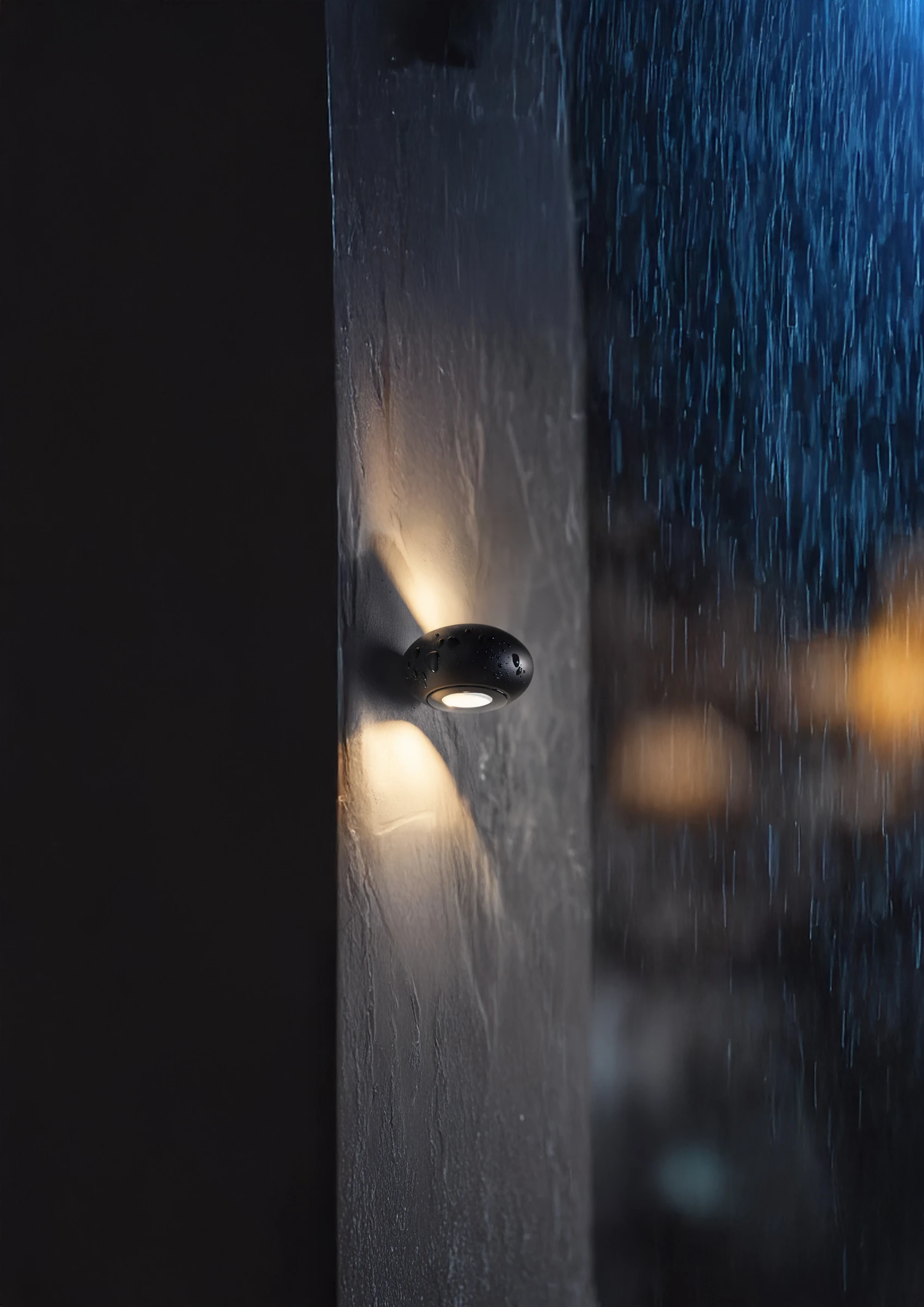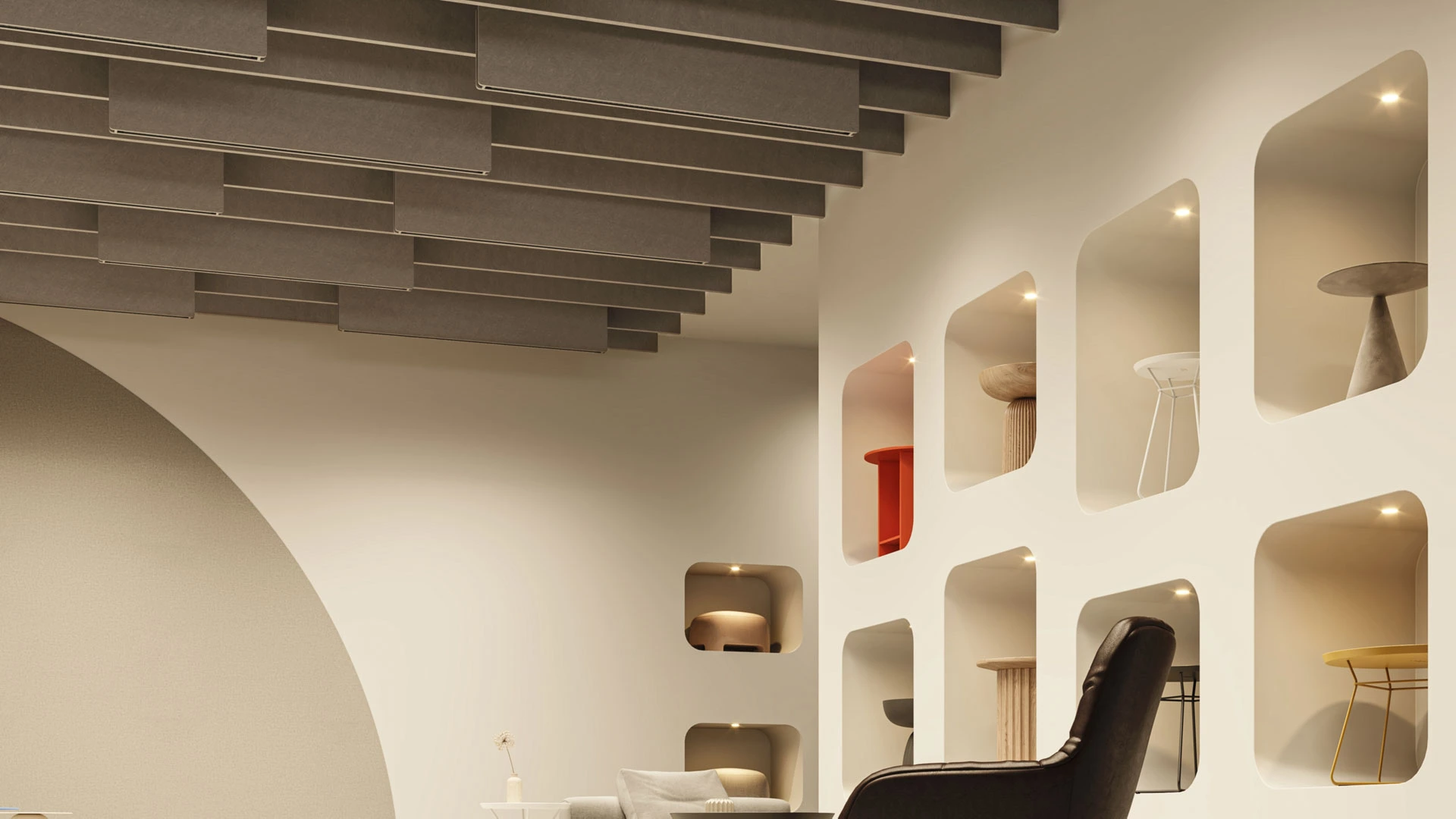
Office lighting shapes performance as much as furniture or climate control. A properly planned scheme doesn't just illuminate — it protects eyesight through long screen hours, supports focus and measurably lifts output.
Eyes first
Eye fatigue is the standard complaint of desk work, and poor lighting is its usual cause. Sources that create glare — especially reflections on screens — force eye muscles to work continuously. Prefer glare-controlled fixtures and indirect distribution: light bounced off the ceiling reaches the desk soft and even. Honeycomb louvres and deep-set trims exist for exactly this reason.
Why CRI matters
The Colour Rendering Index measures how truthfully a source shows colour. In offices, stay above CRI 80: colours read naturally, materials look right, and eyes tire slower over the day.
LED as the baseline
LED fixtures use a fraction of the energy, live far longer, and add no heat to the room — a comfort and cooling-cost advantage every summer.
The right tone and layout
Around 4000K — neutral white — is the office standard: neither the drowsy warmth of 2700K nor the harshness of 6000K, it keeps alertness up while the room still feels natural. Distribute light homogeneously to avoid shadowed corners and dark zones, and supplement desks with local task light where fine work happens.