Every luminaire datasheet carries a two-digit IP code, and every project has at least one fixture specified with the wrong one. Too low, and a bathroom downlight corrodes or trips the circuit; unnecessarily high, and the budget pays for gaskets the living room never needed. This guide explains what the digits actually promise and gives a room-by-room map of what to specify.
Reading the two digits
IP stands for Ingress Protection, defined by IEC 60529. The first digit (0–6) rates protection against solid objects and dust: 2 means fingers can't reach live parts, 4 keeps out wires and tools above 1 mm, 5 is dust-protected, 6 fully dust-tight. The second digit rates water: 4 means splashes from any direction, 5 low-pressure jets, 65 jet-proof and dust-tight, 67 temporary immersion.
Two practical consequences follow. First, the digits are independent tests, not a quality score — an IP65 fixture is not better than an IP44 one, it is sealed for a different environment. Second, the rating applies to the luminaire as installed: a perfectly sealed body with a badly sited driver box still fails.
Dry interiors: IP20 is correct, not cheap
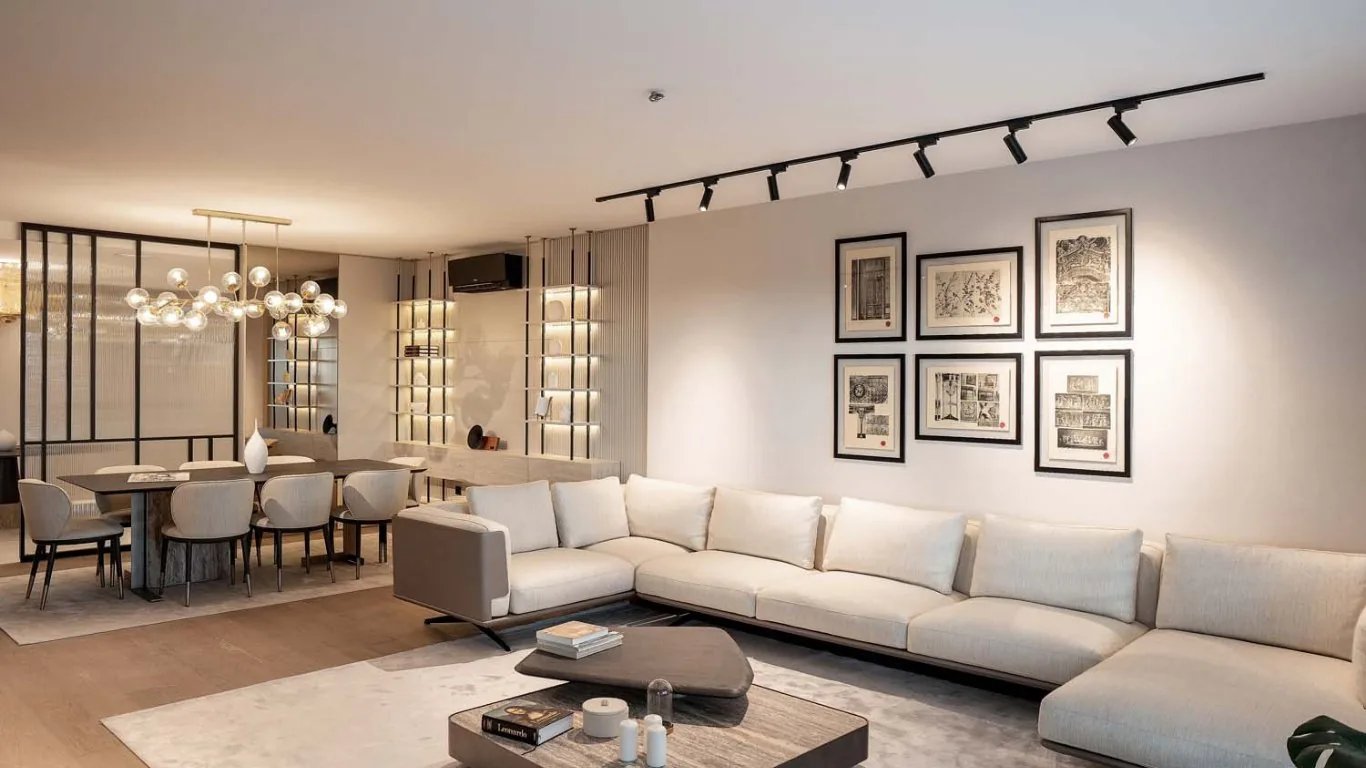
Living rooms, bedrooms, corridors, offices, hotel rooms: IP20 is the appropriate class. Specifying higher buys nothing but cost and often worse optics, because sealing glass in front of a lens changes its light distribution. The exceptions inside dry rooms are dusty technical spaces — plant rooms, workshops, storage under raw concrete — where IP5x keeps fine dust off internal reflectors that would otherwise dim the output year by year.
Bathrooms: think in zones, not in rooms
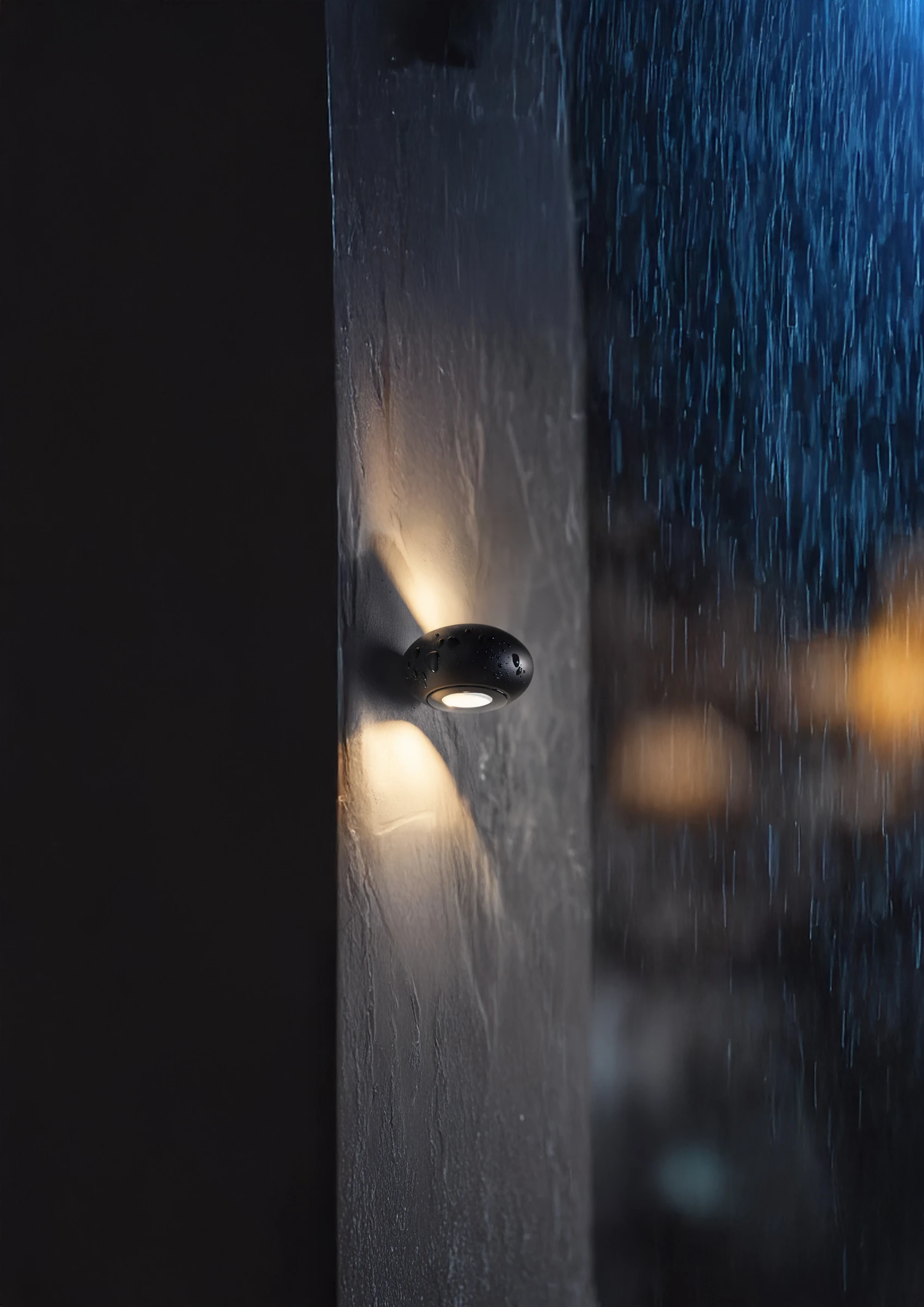
Wet rooms are regulated by zone, and the zone — not the room — decides the class. Zone 0, inside the tub or shower tray, demands low voltage and at least IPX7; in practice, avoid placing luminaires there at all. Zone 1, above the tub or shower to 2.25 m, needs at least IPX4 — and jet protection where cleaning jets are plausible. Zone 2, the 60 cm band around zone 1 and around basins, needs IPX4 as well; mirror lights live here, which is why quality mirror luminaires are IP44. Outside the zones, general bathroom lighting can be IP20, but steam travels: IP44 is the robust default for any ceiling point in a domestic bathroom, and it is what we recommend for bath-rated recessed fixtures.
Covered exterior: the in-between class
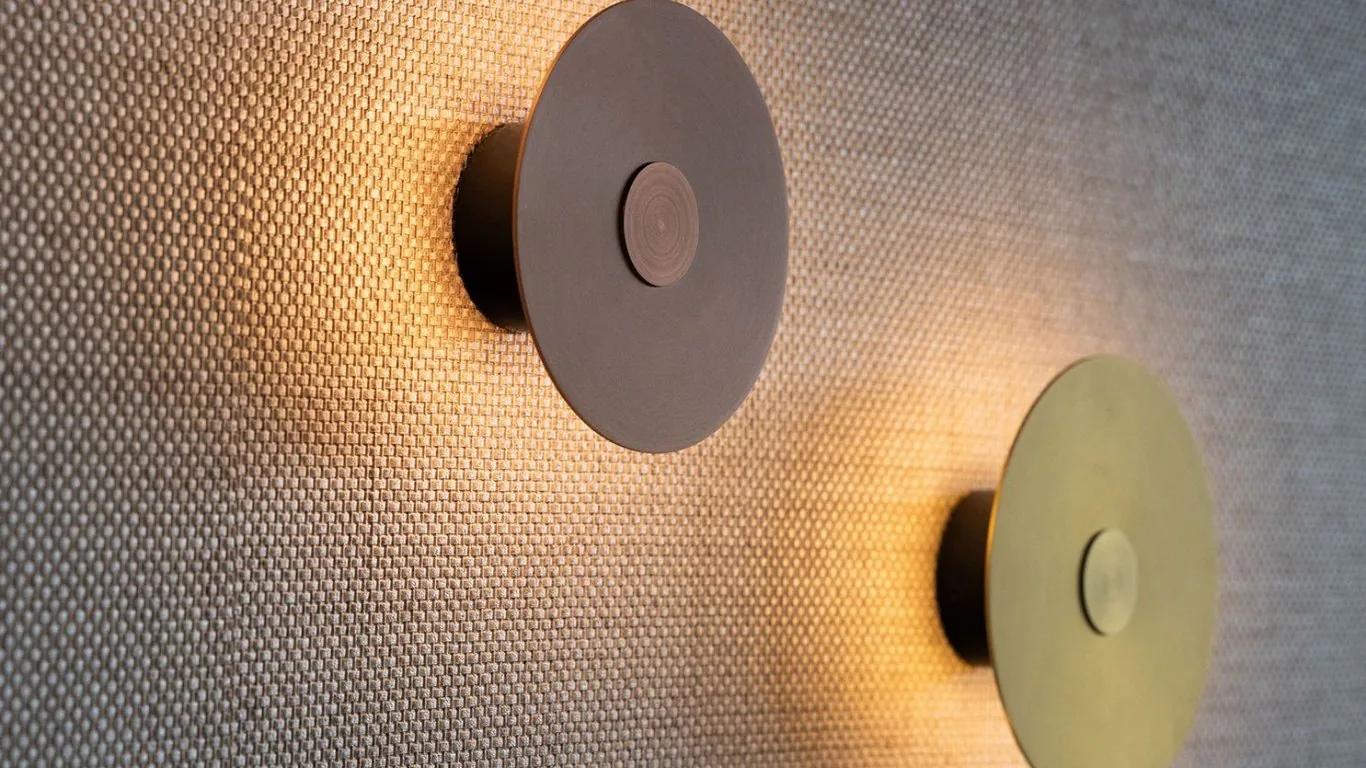
Entrance canopies, loggias, covered balconies and soffits are technically outdoors but sheltered from direct rain. IP44 fixtures survive here, but wind-driven rain and condensation argue for IP54 as the specification default: dust-protected, splash-proof from all directions. Our Star Spot family, for example, is rated IP54 exactly for these threshold positions — sheltered but not indoor.
Open exterior: IP65 and honest mounting
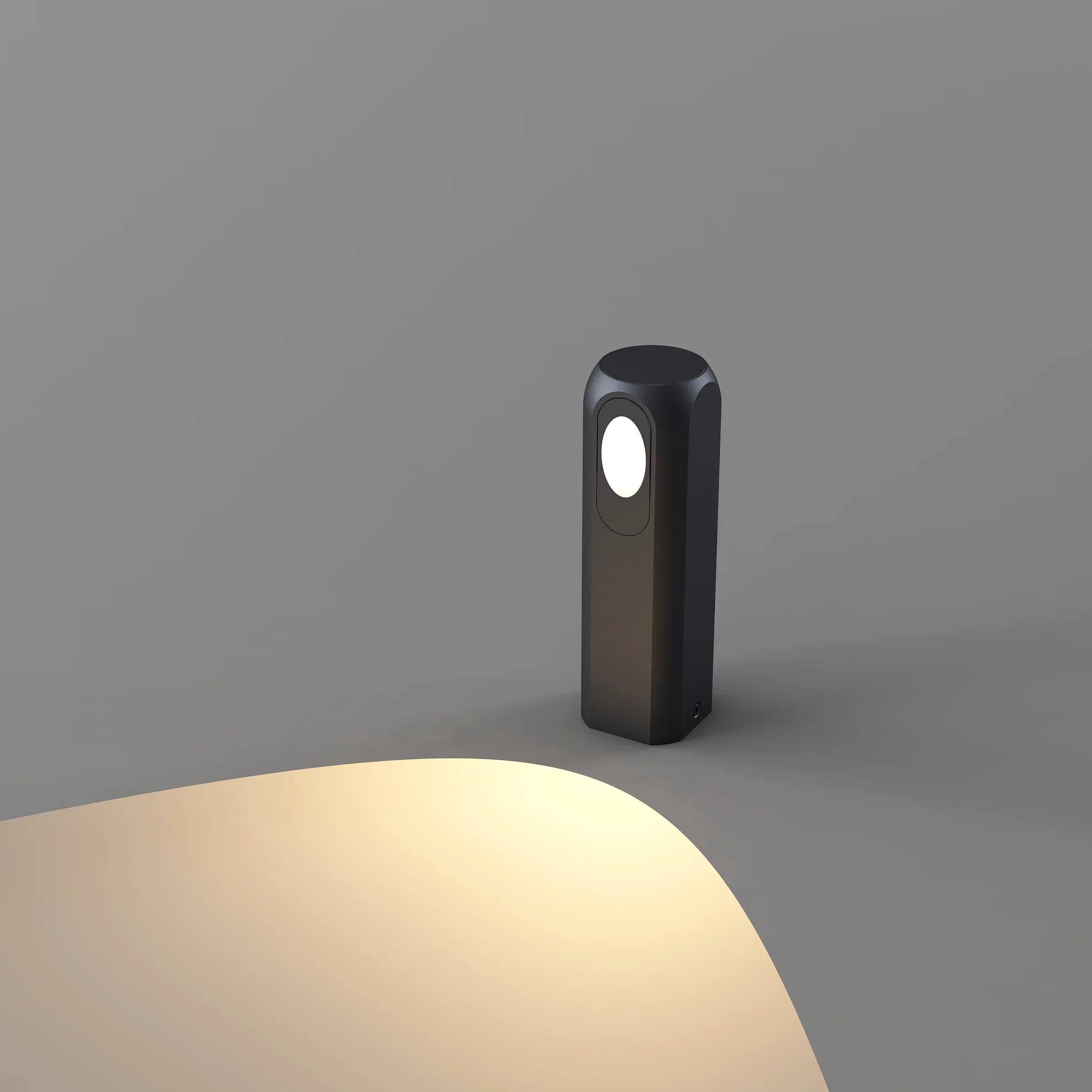
Façades, garden paths, driveways and open terraces see direct rain and pressure from cleaning: specify IP65. Ground-planted bollards additionally endure irrigation, soil splash and standing moisture at the base — which is why exterior bollards should combine an IP65 optical head with a body material that shrugs off permanent damp, like the stone-composite housing of a garden bollard. Anything actually submerged — fountains, pool niches — moves to IP67/68 and its own low-voltage rules.
Three habits that prevent failures
Rate the whole assembly: the luminaire, its driver and its connectors each carry their own IP class, and an IP65 head fed by an IP20 driver box lying on wet soil fails at the box. Write the IP class on the schedule line, not in a general note — a fixture swapped to an equivalent with a lower rating is the classic silent failure that appears two winters later. And do not over-specify indoors: the money saved by keeping dry rooms at IP20 pays for the correct IP54/65 fixtures at the building's edges, where protection actually decides the lifespan of the installation.
Every QAVUN product page states its IP class next to wattage, CCT and CRI, so the right rating can be read off the same line that goes into your schedule.