Ask why a scheme is specified at 3000 K and you will usually hear: because it's warm. True, but incomplete — 2700 K is warmer, 4000 K is brighter-feeling, and yet the world's residential and hospitality projects keep converging on 3000 K. This guide explains what the number measures, why that convergence happened, and where departing from it genuinely pays.
What the Kelvin number is — and is not
Correlated colour temperature (CCT) describes the tint of nominally white light on a scale borrowed from physics: the colour a blackbody radiator glows at a given temperature. Lower numbers read amber like candlelight (around 1900 K) or tungsten (2700 K); higher numbers read cool toward daylight (5000 K and up). Two things the number does not tell you: how much light there is (that is lumens and lux), and how faithfully colours appear under it (that is CRI). A scheme is only fully described by all three — which is why our product pages state CCT and CRI side by side.
The case for 3000K
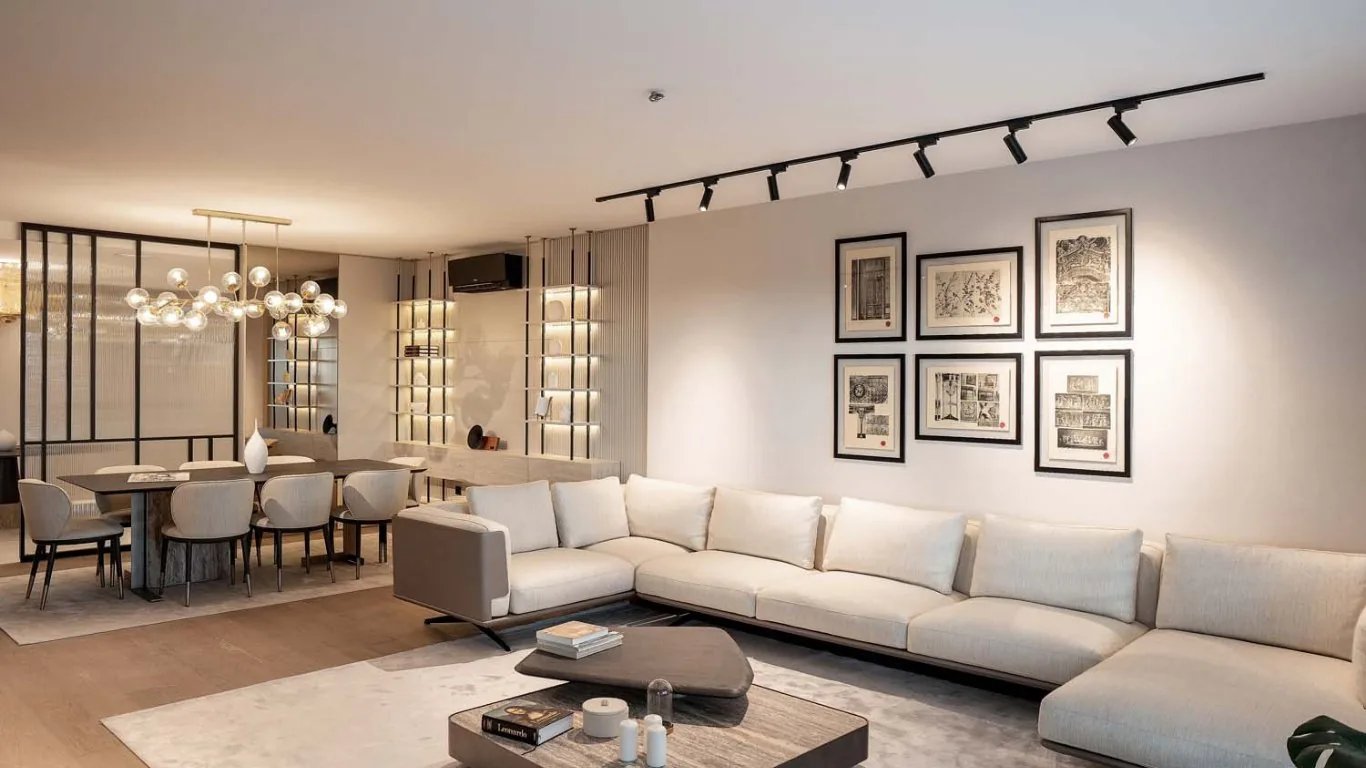
It flatters materials without lying about them. At 2700 K, whites drift cream, greys go muddy and blues deaden; the palette of contemporary interiors — plaster, pale oak, concrete, linen — loses precision. At 4000 K the same palette turns clinical. 3000 K sits at the point where timber and skin tones stay warm while whites still read as white.
It behaves across the whole day. Residences and hotels are used from morning to midnight. Cooler light that feels efficient at ten in the morning feels hostile at ten at night; very warm light that is cosy at night looks dim and yellowed at noon. 3000 K is the widest single compromise — and when fixtures dim, the slight perceived warming at low levels lands exactly where evening comfort wants it.
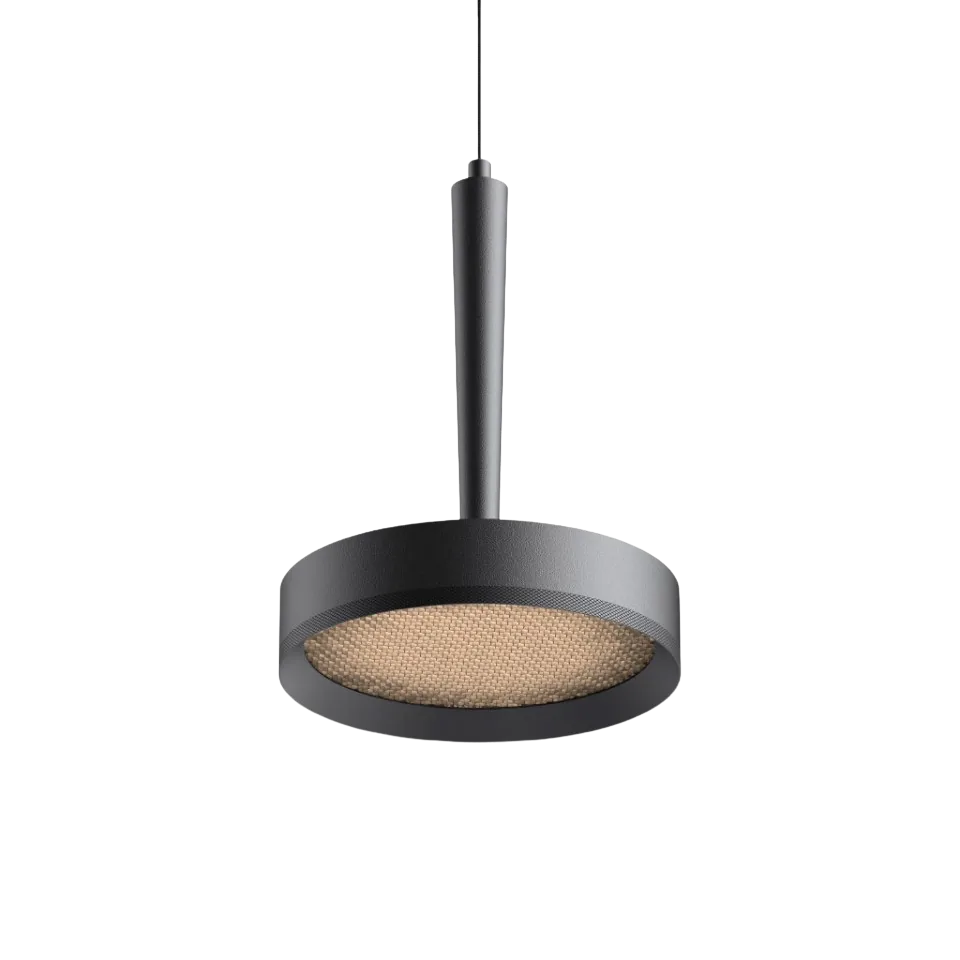
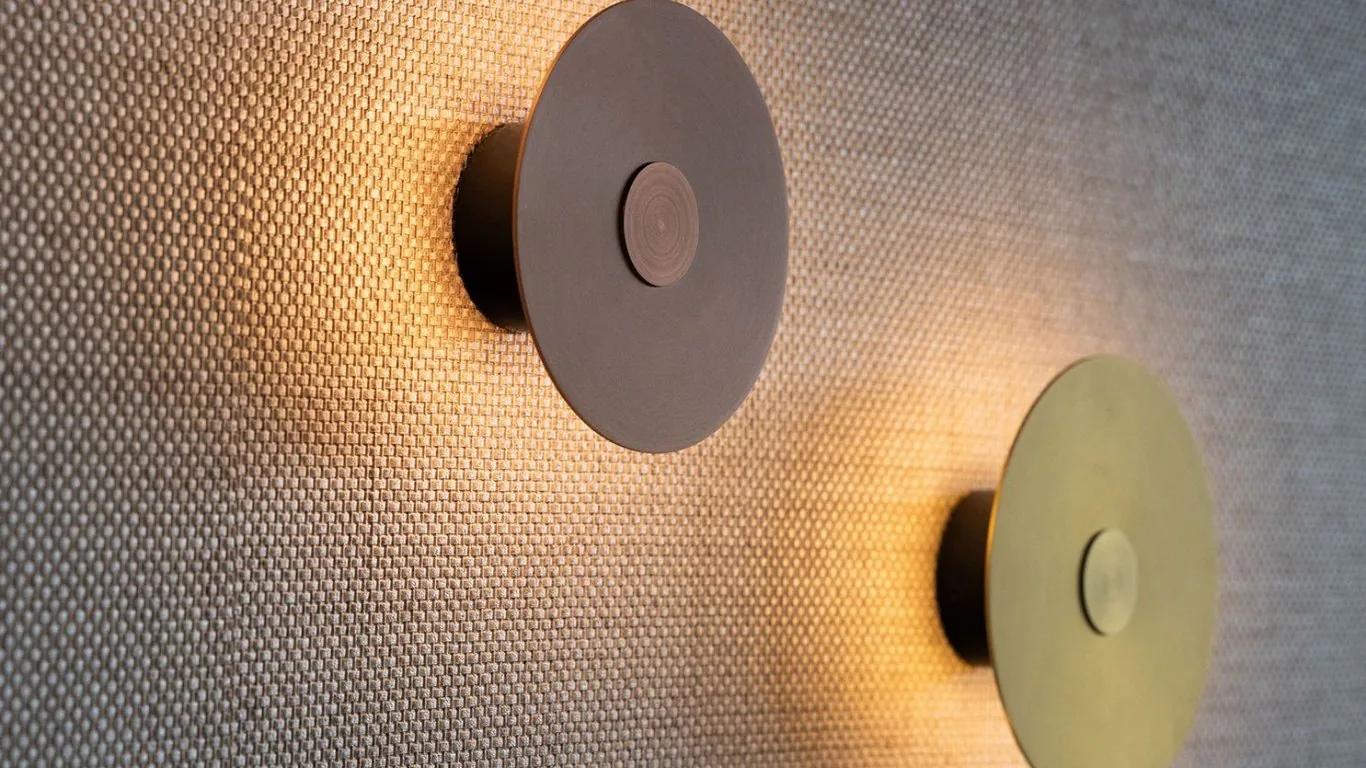
It unifies mixed fixture families. A real project mixes recessed downlights, track spots, wall luminaires and pendants. If those arrive at mixed CCTs, the eye spots it instantly on any white wall — adjacent pools of different white read as a defect no client can name but every client sees. Standardising the whole catalogue at one warm point is the simplest insurance; it is precisely why QAVUN builds every family around 3000 K.
And it survives procurement: 3000 K with CRI 90+ is an unambiguous schedule line available from every serious LED platform. Exotic CCTs invite substitutions and lead-time surprises.
Where 2700K earns its place
Candle-adjacent settings: fine-dining rooms, bars, spa suites, fireplaces — spaces used almost exclusively after dark, where amber atmosphere is the design. If you go warmer in one zone, commit fully and edge-to-edge; a 2700 K restaurant opening onto a 3000 K lobby works, a single 2700 K fixture inside a 3000 K room does not.
Where 4000K earns its place
Task-first, daytime-first spaces: back-of-house kitchens, workshops, garages, clinical and retail-technical areas, some office fit-outs. The cooler point raises perceived alertness and matches daylight entering through glazing. The rule of thumb: if the space's job is production rather than dwelling, 4000 K is honest.
Writing it into the schedule
Colour temperature is a one-line decision with project-wide consequences, so treat it like structure: decide early, write 3000 K and the CRI floor on every line of the luminaire schedule, and re-state it on substitution requests. When one zone departs — the 2700 K bar, the 4000 K service corridor — give that zone its own schedule block so the exception is visible, intentional and priced.
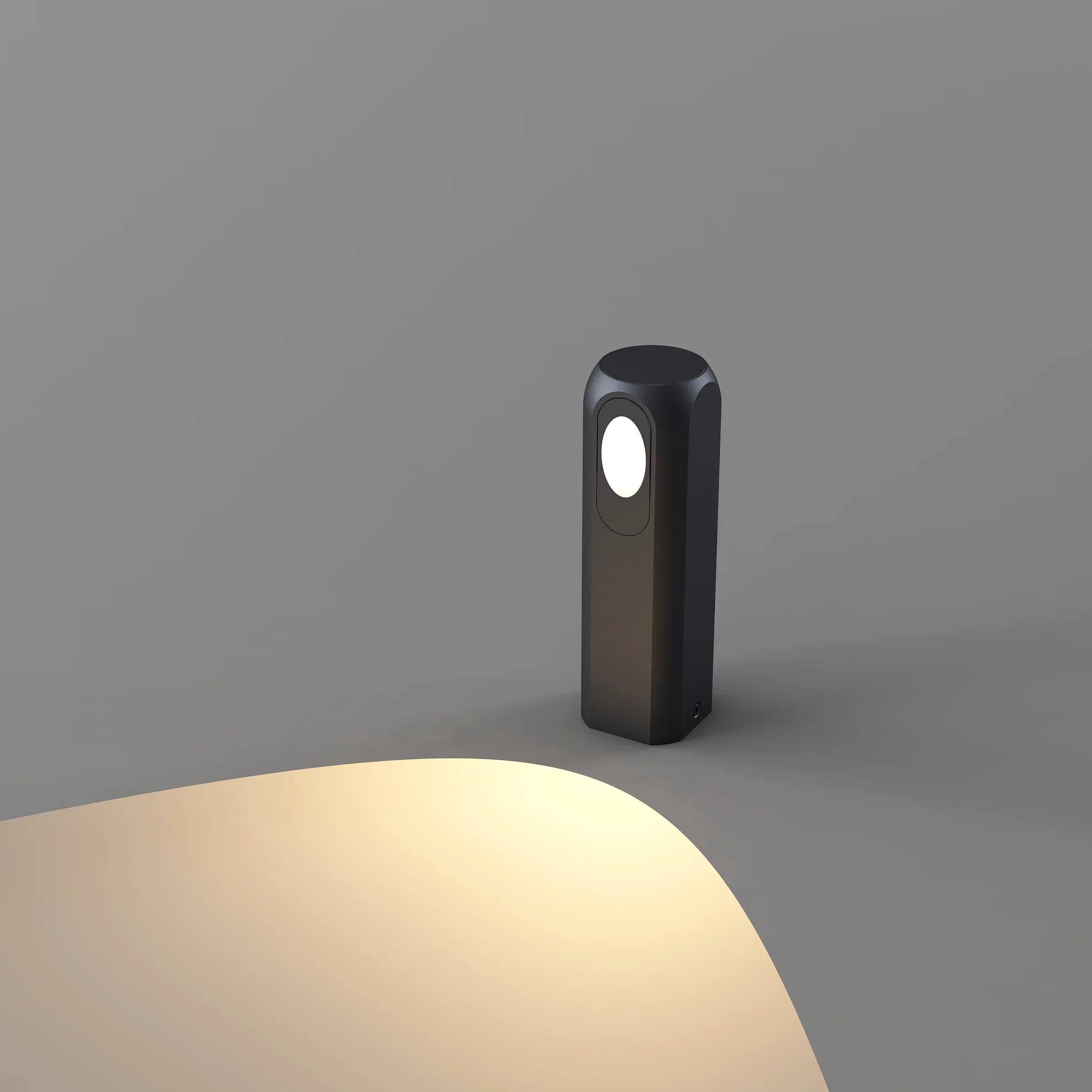
Every luminaire in the QAVUN collection ships at warm white 3000 K with high colour rendering as standard — one temperature, one language of light, from the first downlight in the entrance to the last bollard in the garden.